The model is a given.
The context is the craft.
A practical tour of context engineering. One character runs through the whole talk: a brilliant new hire with no memory.
"Write me the Monday update for the leadership team from everything that happened last week."
Big week for the Ironbark team, with strong progress across several key initiatives. We pulled together on some challenges and momentum continues to build. Excited for what's ahead. 🚀
Two things worth your attention. Saturday's outage was the payments vendor, not us, and buried in their email is the real news: the old API dies in November, so our migration moves up a quarter. New date attached. Second, the signup dip that spooked the group chat is the school holidays, same dip as last July, stand down. Everything else ran to plan.

You've hired a genius with no memory.
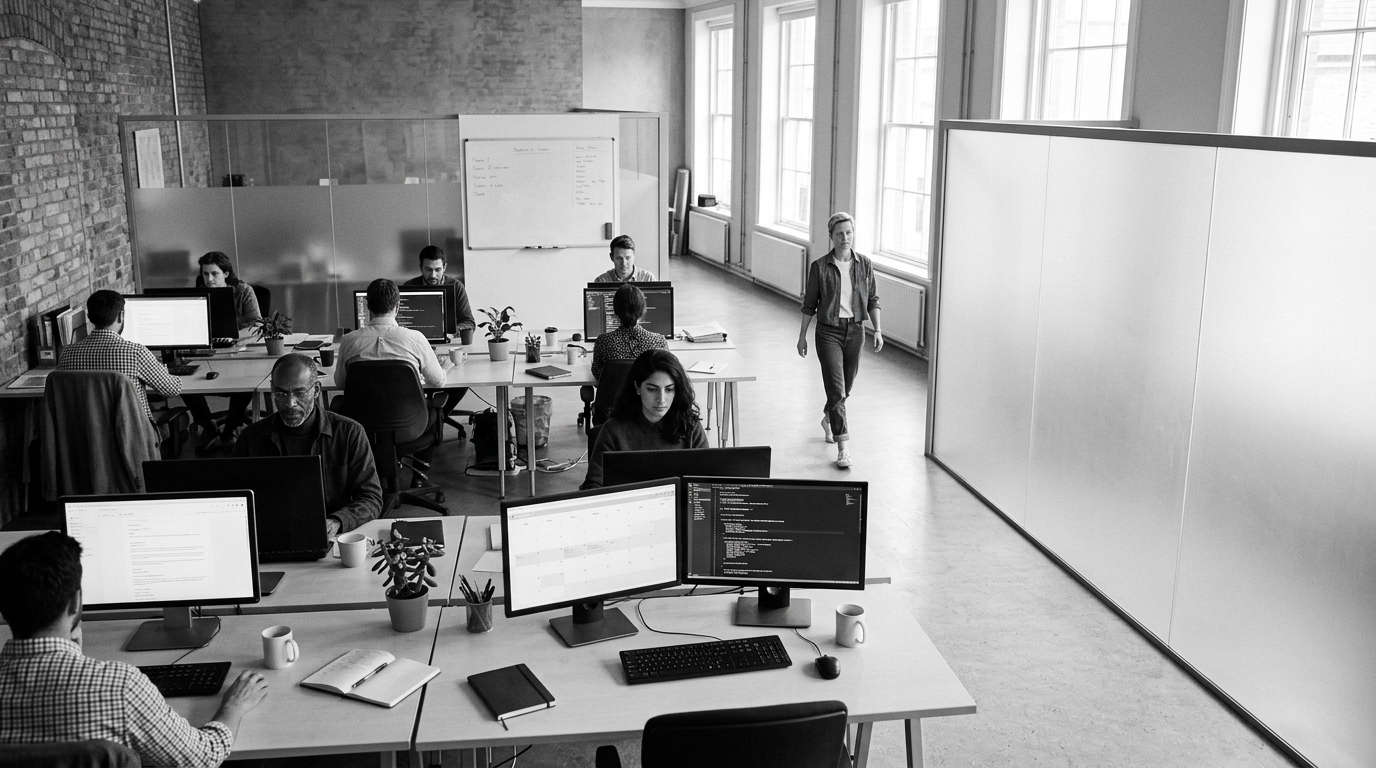
Brilliant in general. Her name is Leila. But every morning she walks in knowing nothing about you, your work, or what happened yesterday. That's the model. The whole job is managing her well.
Seven things sit in front of her every time she answers, down to the template the answer comes back in. The words you type are one of the seven. That's why prompt engineering is now a subset.
 CPUthe model · fixed, powerful
RAMthe context window · small, precious
OScontext engineering · decides what loads, and when
CPUthe model · fixed, powerful
RAMthe context window · small, precious
OScontext engineering · decides what loads, and when
The model is the CPU.
The context window is the RAM.
Karpathy's framing, and it's the one that sticks. The processor is fixed. The working memory is small and precious. Context engineering is the operating system: it decides what to load into that memory, and when.

When AI fails, it's usually not too dumb.
It just wasn't told what it needed to know. As models get smarter, the failures stop being about the model and start being about the context. Whatever model you have in front of you, that keeps changing. Building the context right is the skill you get to keep.

More context can make it worse.
Tip every document onto her desk on day one and she drowns. So does the model. Anthropic call it an attention budget, and every token you add spends some of it. A bigger desk is not the answer. A tidier one is.
She forgets the middle.
Put the key fact at the start or the end and she finds it. Bury it in the middle of a long context and she doesn't. And the bigger the window gets, the deeper the sag.
- 30%+ accuracy drop when the fact sits mid-context Liu et al.
- 11 of 13 models below half their short-context score by 32K tokens NoLiMa, 2025
- up to 80% drop with distractors, reasoning models included Lost in the Noise, 2026
Keep a big freezer. Only cook what's new.
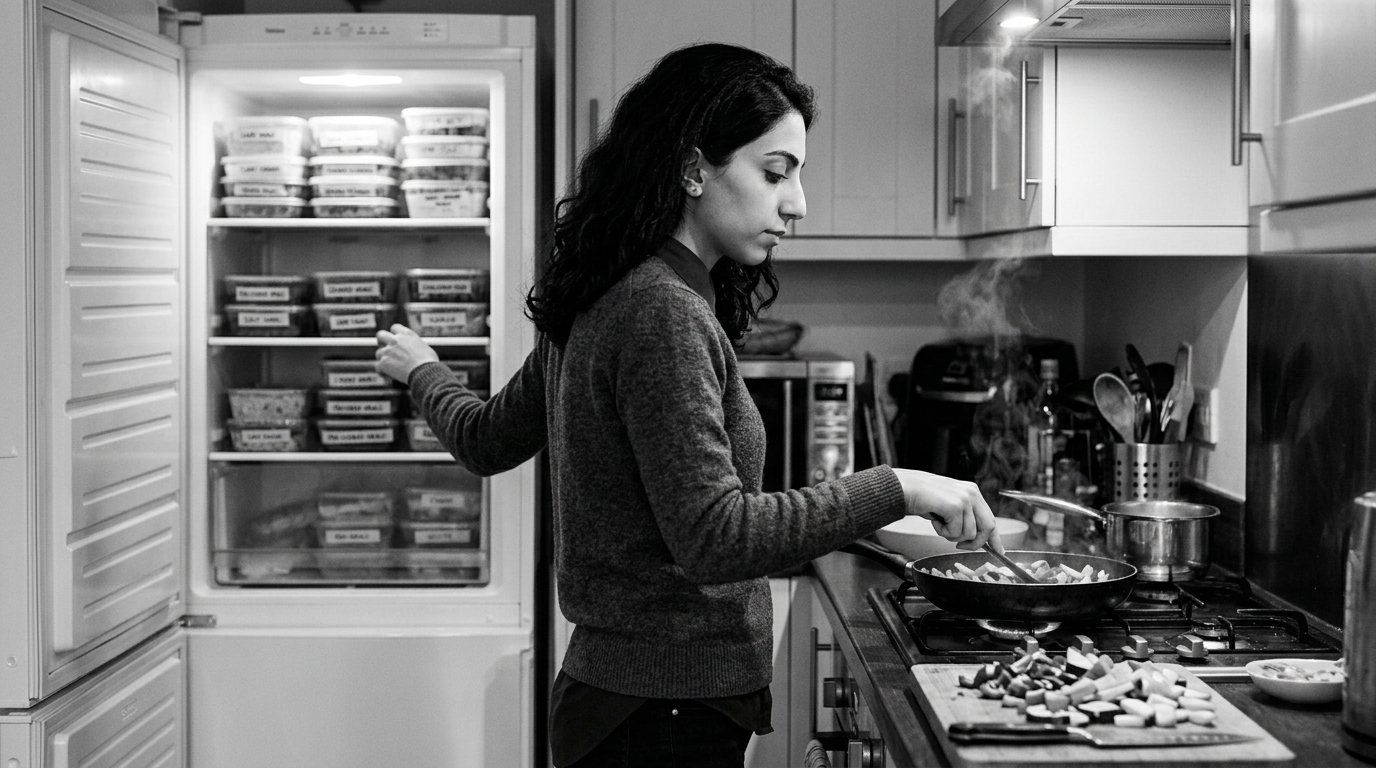
Five levers. One stack. Not rivals.
RAG
What to fetch. Keep bookmarks, not the whole library. Search by word and by meaning. Names, folders and dates are signal too.
Memory / notes
What to remember. Write it down, reload later.
Compaction
What to forget. Summarise and move on.
Tools
What it can do. The myth-buster is next.
Sub-agents
Divide and conquer. Anthropic's multi-agent setup beat a single agent by 90.2%, and token usage alone explained 80% of the difference.
The model never uses a tool. It just asks.
Tools feel like the model "doing things". They're not. She only asks. Your system makes the call and feeds the result back into the context. A tool is really a context-builder.
Tools are her hands. Skills are her runbook.
- Leadership reads this to make decisions. Lead with anything that changes one.
- Give the consequence, not the event. A date is not news. What it moves is.
- Everything routine gets one line. Plain and short. Enthusiasm isn't news.
Nobody re-explains the house process to a new starter every Monday. You hand them the runbook once, and they pull it out when a job needs it.
Same with Leila. A skill sits on her desk as one line, a name and a description. The full instructions only land in her working memory when the work actually needs them.

Every so often: summarise, and start fresh.
Claude Code auto-compacts at 95% of the window. In plain ChatGPT or Claude you get no view of how full it is, so be the harness yourself: once a chat gets long, ask for a handover note in three lines, the plan, the findings, the open questions, and paste it into a fresh chat. It is lossy. The chatter dies; those three survive.
There's a right way and a wrong way to forget.
Drop the oldest tokens
Cheap. But it bins the start of the context, and we just saw the model reads the start best.
Keep the edges, summarise the middle
The direct fix for lost in the middle. Protect the edges, compress the sag.
Clear the noise
Strip the old tool calls and results the model no longer needs, keep the reasoning. You trim the context without losing the thread.
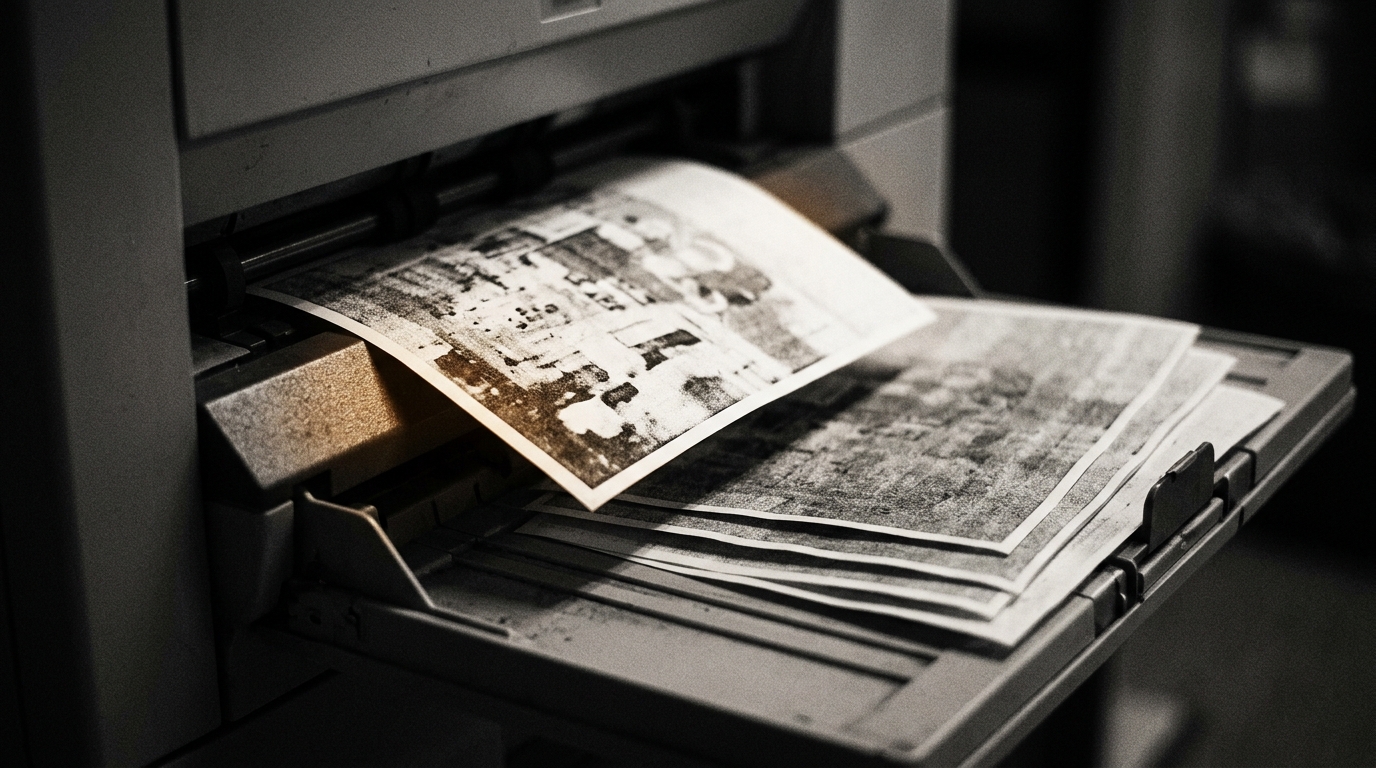
A copy of a copy of a copy.
Compact from the source, not by re-compressing your own compressions.
The fix for amnesia is a notebook that compounds.
Give the new hire a notebook they keep and re-read, one that gets richer every day instead of being rewritten from scratch.

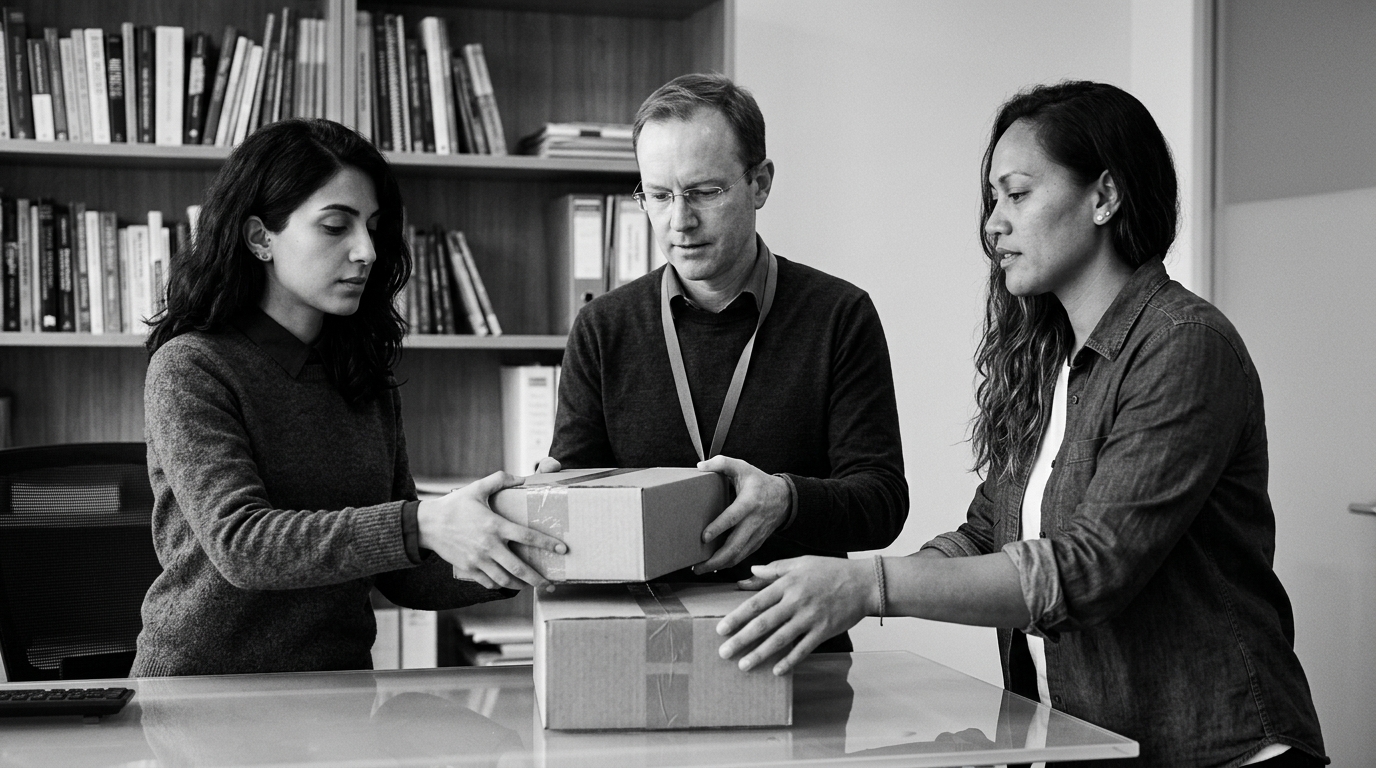
She sends the messy jobs out.
A job too big for one desk leaves Leila's desk still sealed. Meet Marcus and Bea, each with their own fresh, clean desk.
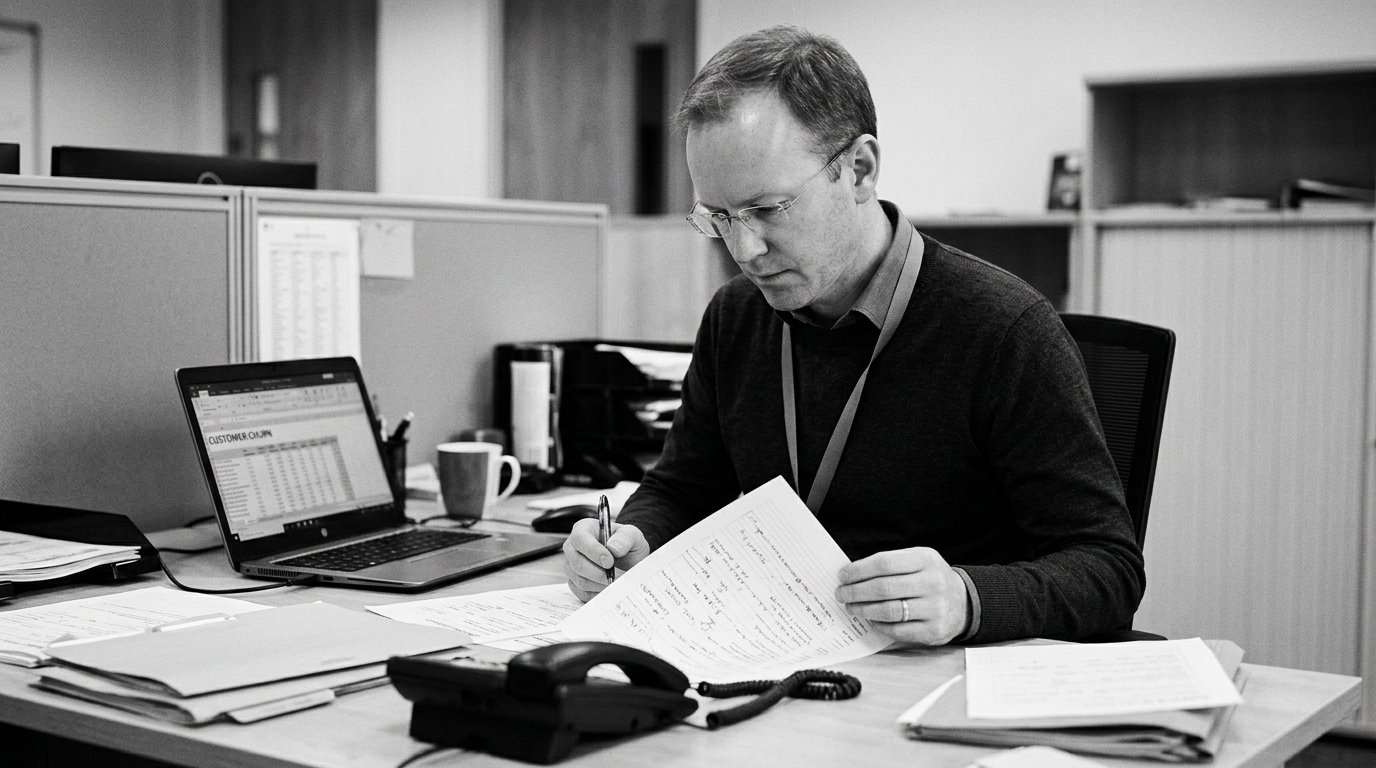

The mess stays on their desks.
Forty documents, dead ends, false starts. All of it happens over there, in their own context, not hers.
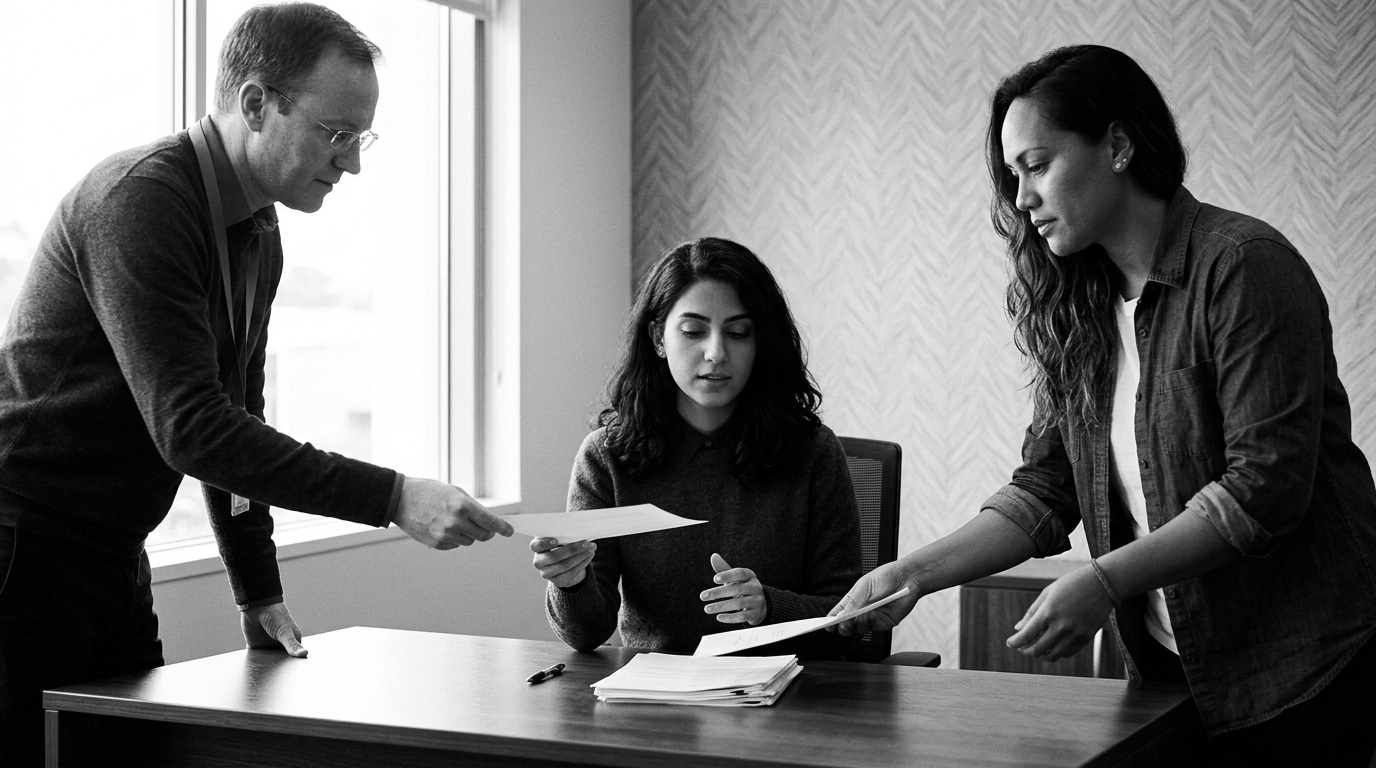
Only the answer comes home.
A short digest lands on a clean desk. That is a sub-agent: its own context, the mess quarantined, a digest handed back, never the pile.

A big refactor. And the further it went, the worse it got.
A while back I was running a large refactor across a big codebase. Quality held early, then drifted. Near full, the tell was unmistakable: no fresh plan, just old findings rehashed, the same mistakes on a loop. That's context rot. Live, on a real job.
So I built a loop that never lets the context rot.
Chunk
The plan into phases, each with clear acceptance criteria.
Fresh context
A harness spawns a brand-new session per phase, so no single window rots.
Exit gate
It only signals done when criteria verify, otherwise it retriggers fresh. Circuit breakers stop it spinning.
Distil findings
A lighter model harvests verified patterns into a compounding skillbook, promoted only after seen twice, and feeds later phases just the relevant slice.
I'd hand-built the entire textbook. By accident.
I built every lever because the quality was rotting and I had no choice. Months later, most of these are shipped with harnesses. This isn't theory. It's what you reach for when it breaks.

I had to build the operating system. For you, it's already in the kernel.
Auto-compaction, sub-agents, a memory tool, built-in context management. It ships now. You just have to switch it on.
Be honest about the limits.
But the wiki cost 21× more per question and ran 6.6× slower. Small sample, directional.
- Contamination. A wrong fact, once written, gets read as truth by everything after. My "seen twice" gate helps. It isn't free.
- Scale wall. Lovely at 50 to 100 sources. At thousands it's a knowledge base with no editors.
- Vibe thinking. The understanding forms while you do the filing. Outsource that and you get a tidy wiki you never learned.
The rot, the blind spot, the photocopy, the poisoned notebook. The trade has a name for each, and you've watched all four tonight.

Waiting for one missing piece.
Every version died on the same rock: maintenance is a chore humans abandon. The model is the first tireless librarian.
I didn't just talk about the five levers tonight. I used every one of them to build this.
The panel of twenty that reviewed this talk. Eighteen flagged the same problem. They were right, and what you just watched is the fix.
- Fetch. Research agents read the 2026 papers, so each slide only carried the facts it needed.
- Remember. What I learned went into notes and a notebook the next session could read. I never argued the same point twice.
- Forget. When a session filled up it wrote a handover note and started fresh. The morning handover from the war story, on this deck.
- Do. The skills did the real work. One narrated this whole script. One drew every photo of Leila, the same face every time, on purpose.
- Divide. 53 agents worked on it; a panel of 20 reviewed it, because I didn't trust my own opinion on its own.
I argued with a focus group of twenty about my own talk, and I lost. Very 2026.
Every one of them did the filing. Not one could tell me what the talk was about, which joke to keep, or that she should be Leila, a person with a name. That part stayed mine.
The machine can do all the filing. It can't tell you what matters. And that was always the point.
Context is the craft
Try it tonight.
Anyone
Before a big ask, give the context first. Paste the brief, the goal, the constraints. And start a fresh chat when it drifts. Watch the answer change.
"Summarise this chat for a fresh version of you that can't see this history: the plan, what you've learned, and what's still open."
Paste it into a new chat.Hands-on
Point Claude Code or Codex at one folder, ingest five things into a markdown wiki, ask one question. That's a wiki, and you didn't have to build a Ralph loop.

Thank you.
The talk
The model is a given. The context is the craft.
A practical tour of context engineering.
Prepared by
Amir Zahedi · fleetguru.ai
Sources
Anthropic, context engineering (Sep 2025) · Anthropic, new rules of context engineering (Jul 2026) · Chroma, context rot · Karpathy · Liu et al., lost in the middle · Lütke (qmd) · Bush, Memex · Luhmann, Zettelkasten · Forte, Second Brain · LOCA-bench (2026) · Lost in the Noise (2026) · Wu et al., position bias (MIT, ICML 2025) · Anthropic, server-side compaction + Memory for Managed Agents (2026).